EV Charger Tax Credit and Rebates: What's Left After the Federal Credit Expired
For a few years, putting a charger on your garage wall came with a little help from Uncle Sam: file the right form and 30% of the cost came back to you. That door has closed. The incentives for charging at home have been switching off one by one—some by budget cuts, some by design—and anyone shopping today walks into a much emptier room. The federal 30C credit that returned 30% of your charger installation (capped at $1,000) expired on June 30, 2026, and it never covered most suburban addresses anyway—only homes in qualifying rural or low-income census tracts. What’s left isn’t a federal check. It’s a patchwork of rebates from your electric utility and, in some states, a state program—smaller, local, and easy to miss.
It’s worth knowing exactly what walked out the door, what’s still on the table, and how to grab it before your utility’s fund runs dry too.
What’s gone: the federal charger credit
The 30C Alternative Fuel Vehicle Refueling Property Credit was the big one. For a home installation, it knocked 30% off the cost of your charger and its wiring, up to $1,000, claimed on your tax return. A recent budget law pulled its end date forward, and it stopped applying to anything placed in service after June 30, 2026.
Two things about it trip people up even now. First, it was never universal: the credit only applied to homes located in eligible census tracts—rural areas or lower-income neighborhoods. Plenty of homeowners assumed they qualified, filed for it, and got a surprise. Second, because it expired mid-year, you can only claim it for a charger that was up and running on or before that June deadline. If your electrician finished the job in July, that federal credit is off the table entirely.
This isn’t a quirk of one program. Across the map, direct support for single-family home charging has been thinning out, and what remains is being pushed down to the local level. That shift is the real headline.
What’s still standing: utility and state rebates
With the federal credit gone, the money that’s left comes from your electric utility and, depending on where you live, your state. These aren’t tax credits—they’re rebates, usually paid after you install and submit a claim.
Utility rebates are the most common survivor, and they come in a few flavors. Some pay a flat amount toward a qualifying Level 2 charger. Others are tied to a time-of-use rate plan: the utility gives you a rebate—or an ongoing bill credit—if you agree to charge during off-peak overnight hours, because that’s when the grid has room to spare. A handful run “managed charging” programs where you let them nudge your charging schedule in exchange for a payment.
Here’s a trade-secret detail that catches people out: many of these rebates require you to apply before you buy, or to install a specific model from an approved list. Buy the charger first, and you can disqualify yourself for a rebate you’d otherwise have earned. Always check your utility’s program page and get any pre-approval in hand before the box is opened.
Before the table, a caution: rebate amounts, eligibility, and deadlines shift with every budget cycle and program refresh, so confirm the current terms with your own utility when you run the numbers.
Where home charger incentives stand now
Here’s the lay of the land for a single-family home today:
| Incentive | Status | What it covers | Key detail |
|---|---|---|---|
| Federal 30C credit | Expired | 30% of install, up to $1,000 | Ended June 30, 2026; only ever for eligible census tracts |
| Utility rebates | Varies by provider | Flat amount or bill credit for a Level 2 charger | Often requires pre-approval or an approved model |
| Time-of-use rate incentives | Common | Rebate or ongoing credit for off-peak charging | You commit to charging overnight |
| State programs | Patchy | Extra rebate in some states | Check your state energy office |
Notice the pattern: nothing here is guaranteed, and nothing is federal anymore. Whether you get anything at all now depends almost entirely on your ZIP code and your utility.
How to actually claim what’s left
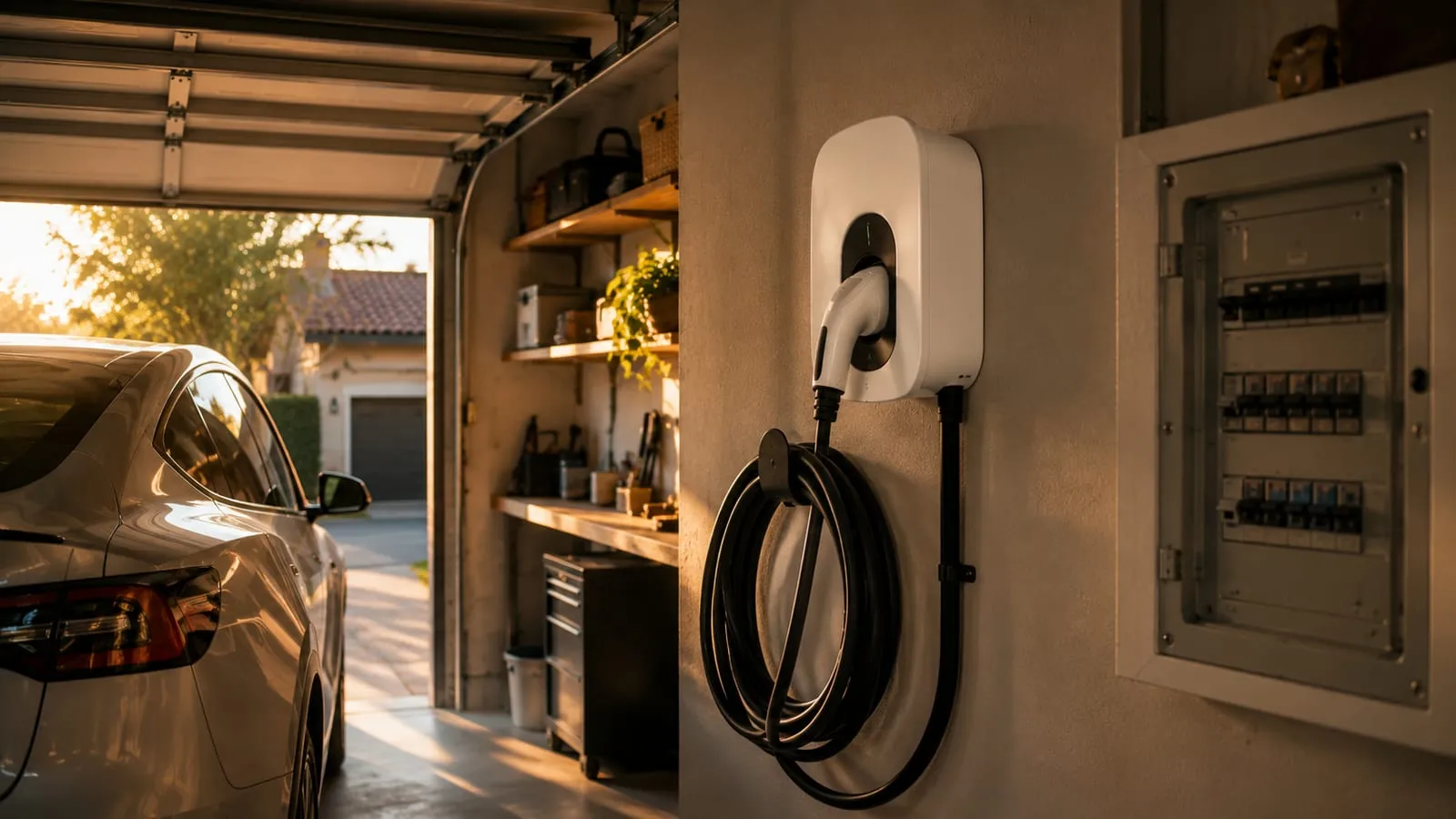
Since there’s no single form to file, the work is in finding the programs and following their rules to the letter. Do this in order:
- Start with your electric utility’s website, not a search engine. Look for “EV charging rebate” or “time-of-use.” This is where the real money is, and where the pre-approval traps live.
- Check your state energy office for any active charger rebate. Some states layer a program on top of the utility.
- Confirm eligibility before you buy. Note any approved-model list, income limits, or requirement that a licensed electrician do the work.
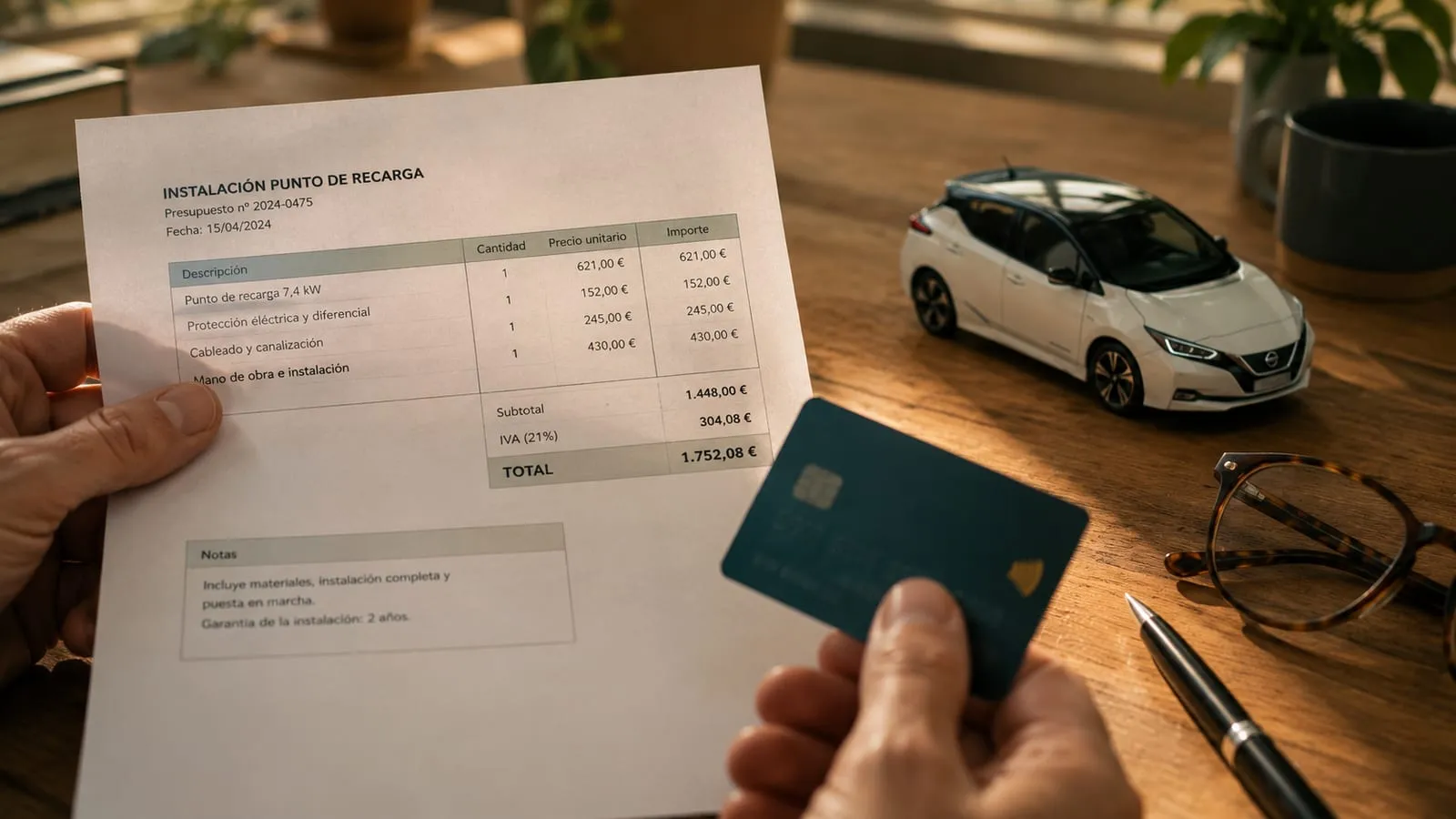
- Keep your paperwork: the itemized invoice showing the charger and the wiring separately, proof of payment, and the permit and inspection sign-off. Rebate claims routinely ask for all three.
A note that saves headaches: an incentive tied to a time-of-use plan only pays off if you actually charge off-peak. If your schedule forces you to plug in at 6 p.m. every day, the rate that comes with the rebate can cost you more than the rebate is worth. Do that math before you sign up.
If you’re weighing whether any of this is worth chasing, start from the real cost of installing a home charger—that total is what any percentage or rebate gets measured against.
Frequently asked questions
Can I still get the federal tax credit for a home EV charger?
Not for a new installation. The 30C credit expired for anything placed in service after June 30, 2026, and it only ever applied to homes in qualifying rural or low-income census tracts. If your charger was up and running before that date and your address qualified, you may still be able to claim it on your return—otherwise, it’s gone.
What rebates are actually available now?
Mostly utility rebates and, in some states, a state program. Your electric company may pay a flat amount toward a Level 2 charger or give you a bill credit for charging off-peak. These vary widely by provider and location, so the only reliable answer comes from your own utility’s page.
Do I have to apply before I buy the charger?
Often, yes. Many utility rebates require pre-approval or that you buy a specific approved model. Buying first can disqualify you. Read the program rules before you order anything.
Is a time-of-use rebate worth it?
Only if you can genuinely charge overnight. These deals reward off-peak charging with a rebate or credit, but they usually come with a rate that’s higher during the day. If your life forces daytime charging, do the arithmetic first—it can quietly cost more than it pays.
I haven’t picked a charger yet—does that matter?
It can. Some rebates only cover models on an approved list, so check the program before you buy. And a bigger, pricier charger doesn’t earn you more rebate—just a bigger bill. See how to choose a home EV charger first.