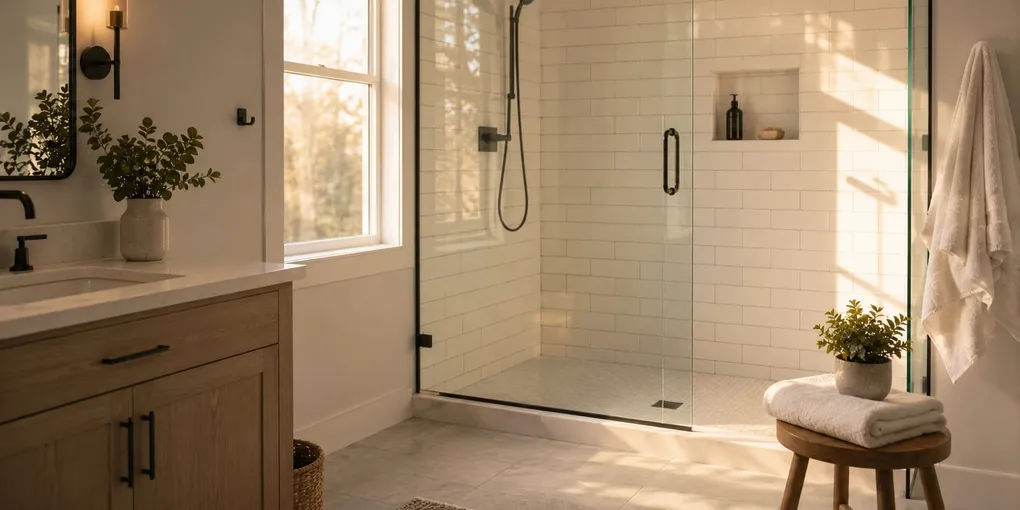
Tub-to-Shower Conversion: Cost, Steps & Tips in the U.S.
Walk through a dozen freshly remodeled bathrooms and you’ll notice the tub is missing from most of them. The second bathtub — the one nobody in the house has actually filled in years — is quietly disappearing, replaced by a curbless walk-in shower that’s easier to step into and easier to clean. If you’re thinking of joining that shift, the money question comes first. A tub-to-shower conversion costs between $3,500 and $12,000, with most homeowners spending around $6,500 for a mid-range job. A basic prefab stall runs $1,000–$2,800; custom tile, walk-in designs, and frameless glass push it past $4,000. The price rides mostly on materials, tile work, and any plumbing changes — and below we walk through how to choose a base, the steps, and the mistakes that drive the cost up.
Cost breakdown
Three things decide your number: what comes out, what goes in, and whether you tile.
| Item | Typical cost (USD) |
|---|---|
| Remove tub + repair walls/subfloor | $170 – $1,800 |
| Prefab shower stall kit | $350 – $4,100 |
| Custom tile (if chosen) | $900 – $10,000 |
| Total (mid-range) | ~$6,500 |
Tile is the swing factor — it’s the difference between a $6,500 job and a $12,000 one.
How to choose a shower base
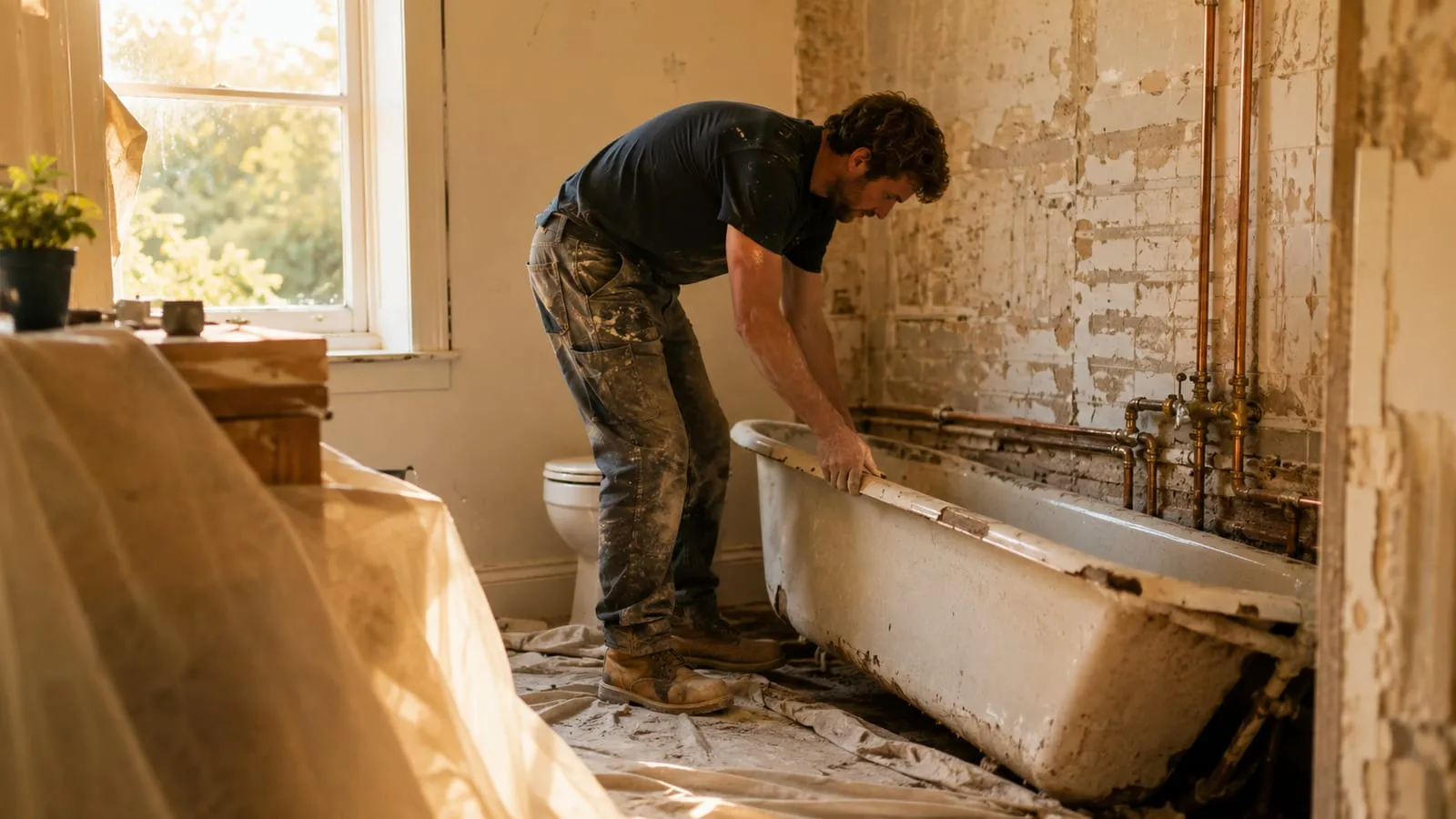
The base sets the tone for the whole conversion — how it looks, how long it lasts, and how much you’ll spend keeping it clean.
- Prefab acrylic/fiberglass base or one-piece unit: the cheapest and fastest, with the slope already built in. Hard to beat for a clean, low-maintenance result.
- Solid-surface or cultured-marble base: can be cut to size, feels warm underfoot, and wipes down easily.
- Tiled base on a mortar/pan liner: the most custom look, but it lives or dies on being waterproofed and sloped correctly — a job for someone who’s done it before.
Whatever you choose, go with a slip-resistant (textured) floor and, ideally, a low- or zero-threshold (curbless) base. That’s the detail that makes the shower safe today and still usable decades from now.
Steps involved
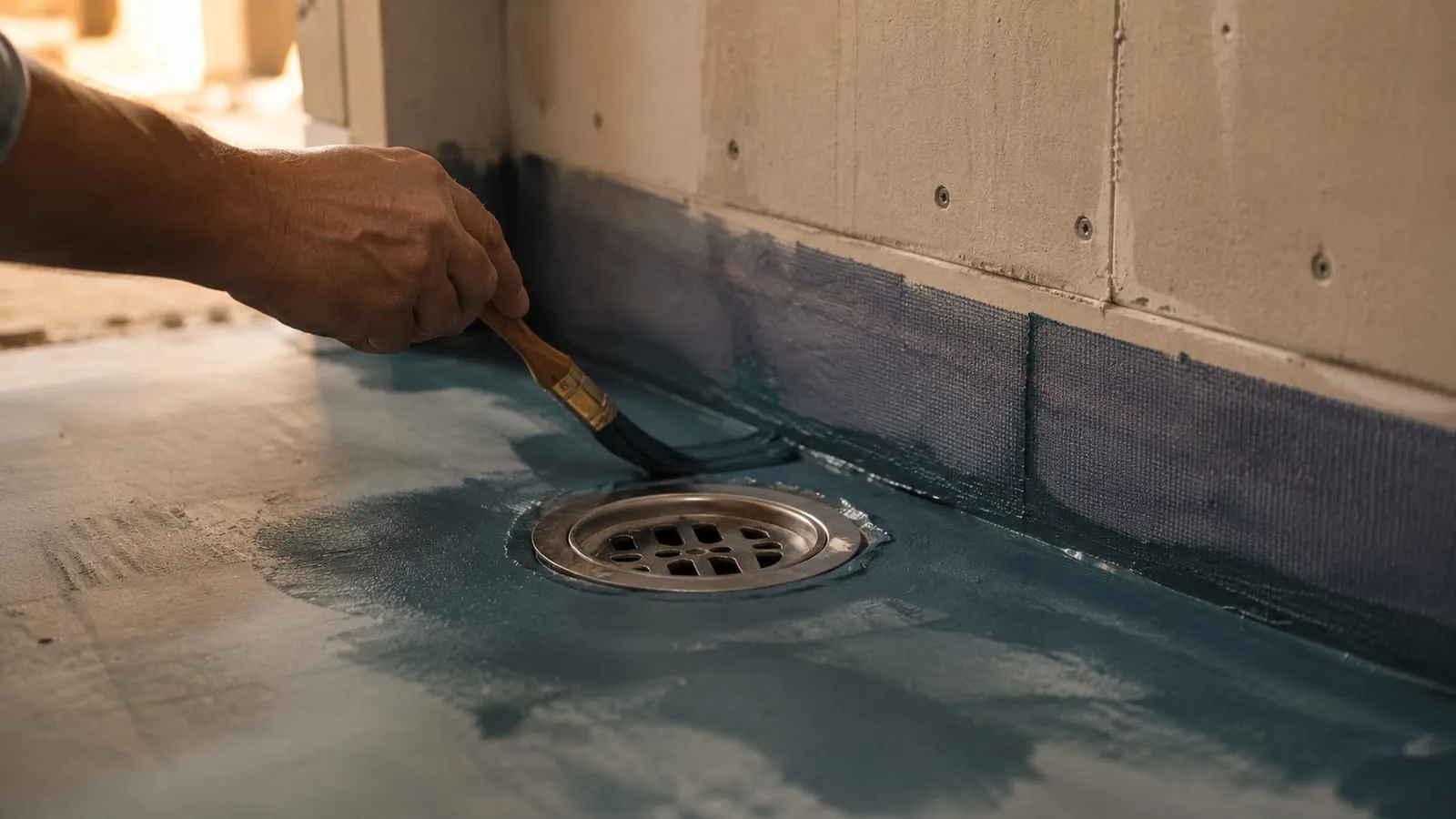
The sequence matters. Get the order wrong and you’re chasing leaks after the tile is set.
- Remove the old tub and the surrounding tile or drywall.
- Repair any damaged studs or subfloor before anything new goes in.
- Swap the drain: replace the 1½“ tub drain line with a 2“ shower drain line so the water keeps up.
- Install new backerboard and a waterproof membrane on the walls and floor.
- Set the base or pan dead level, and fit the shower valve.
- Tile the wet area (if custom), grout, and test for leaks before you close anything up.
- Install glass doors or an enclosure, and seal the joints with neutral, mold-resistant silicone.
Mistakes to avoid
Most conversions that fail don’t fail at the tile — they fail underneath it, where you can’t see the problem until the ceiling below starts staining.
- Skimping on waterproofing: the number-one cause of hidden leaks, rot, and damage to the room downstairs.
- Over-cutting a prefab base: trimming where it wasn’t designed to be trimmed kills the built-in slope and traps water.
- Reusing the 1½“ tub drain: a shower needs a 2“ line to move water fast enough; the old drain will pool.
- Sealing with the wrong caulk: reach for a neutral-cure, mold-resistant silicone — never the cheap acetic stuff that off-gasses vinegar and grows black lines.
- A slick base with no traction: in a wet room, grip isn’t a luxury.
Tips to get it right
- A curbless (walk-in) base is safer and reads as more modern — the reason it’s become the default.
- Prefab kits win on price and speed; custom tile costs more but looks high-end.
- Reuse tile outside the wet zone to trim the materials bill without touching quality.
Frequently asked questions
How long does a tub-to-shower conversion take?
Usually 2–4 days, depending on tile work and whatever the demo turns up behind the walls.
Can it be done without a full remodel?
Yes — prefab one-piece units and liners are the fast route. But a properly waterproofed tiled shower is the one that’s still watertight in fifteen years.
Do I need to move the drain?
Almost always. A tub drain is typically 1½“; a shower needs a 2“ line, which usually means relocating and resizing it.
Does it add home value?
It does. A modern walk-in shower is in high demand and lifts resale appeal — part of why the tub keeps losing ground.
Do I need a permit?
Plumbing changes like moving the drain often require one — check with your local building department first.