
Heat Pump Installation Cost in the U.S.: Ductless vs Whole-Home
Get two bids for the same house and the totals can land thousands of dollars apart — same rooms, same winters, wildly different numbers. That spread usually isn’t dishonesty; it’s that heat pump installation cost hinges on a handful of variables each contractor weighs differently. The short version: a single-zone ductless mini-split runs $3,500 to $8,000 installed, and a whole-home ducted or multi-zone system runs $8,000 to $20,000+. And the price per square foot actually drops in larger homes, because the unit itself is a fixed cost that gets spread across more area.
Knowing which of those variables your house triggers is the difference between reading a quote and understanding it. For the technology side, start with the complete heat pump guide.
What drives the price?
Every bid is really answering four questions about your house:
- Home size and layout: more square footage and more zones raise the cost.
- Ducts: reusing existing ductwork is cheaper; adding or modifying ducts adds $2,000–$6,000.
- System type: a single ductless mini-split is the cheapest entry point; whole-home ducted systems cost the most.
- Cold-climate models: ccASHP units for very cold regions cost a bit more.
The ductwork line deserves the most attention, because it’s the one that swings quotes hardest — and the one a rushed estimator is most likely to gloss over. A tell from experience: a contractor who pokes their head into the attic and opens the electrical panel before quoting is pricing your job; one who quotes from the driveway is pricing an average job, and the difference surfaces later as a change order.
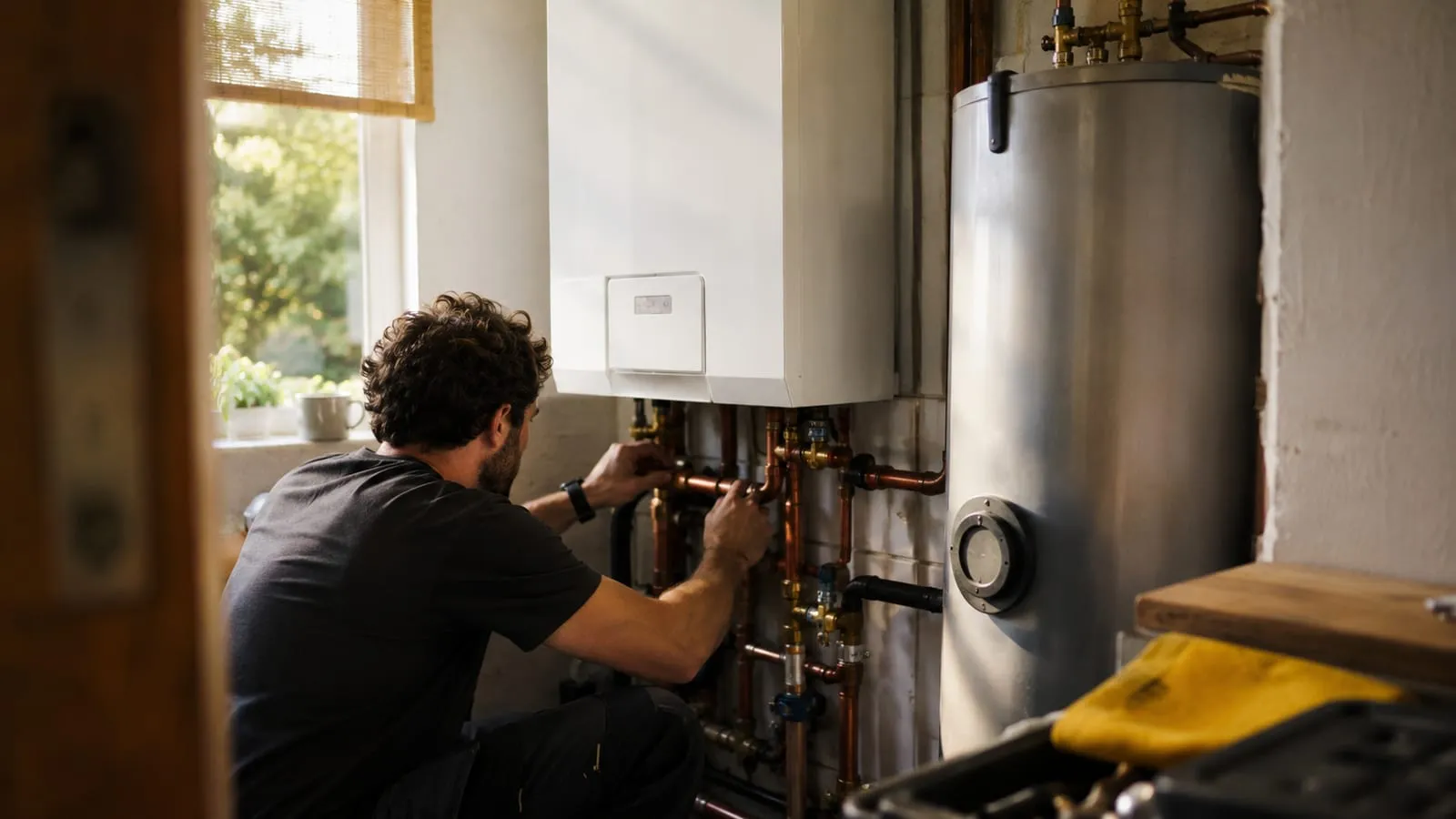
Cost breakdown
When you strip a whole-home quote down to its parts, this is where the money goes:
| Item | Typical cost (USD) |
|---|---|
| Equipment (air-source unit) | $4,000 – $8,000 |
| Labor & installation | $3,000 – $8,000 |
| Ductwork changes (if needed) | $2,000 – $6,000 |
| Total installed | $8,000 – $20,000+ |
Notice that labor can match the equipment dollar for dollar. That’s not padding — a heat pump only delivers its rated efficiency if the refrigerant charge, sizing and duct sealing are done right, so the installer’s skill is baked into what you’ll pay on every future utility bill.
Price by system type
The system type is your biggest lever, so it helps to see the options side by side:
| System | Best for | Typical installed cost |
|---|---|---|
| Ductless mini-split (1 zone) | Single room, no ducts | $3,500 – $5,000 |
| Ductless multi-zone (2–3 zones) | Several rooms | $6,000 – $12,000 |
| Ducted whole-home | Full replacement, existing ducts | $10,000 – $18,000 |
| Whole-home + new ducts | No existing ductwork | $15,000 – $25,000+ |
The pattern to notice: having usable ducts already in place is worth thousands. If your house has none, a multi-zone ductless setup often beats paying to build ductwork from scratch.
Whatever the sticker price, you won’t pay all of it. The federal tax credit (up to $2,000) plus state or utility rebates take a real bite out of the total — the complete guide covers how they stack.
Frequently asked questions
Why is it cheaper per square foot in bigger homes?
Because the heat pump unit is a fixed cost. Once it’s paid for, adding area mostly adds variable costs — ducts, refrigerant lines — which grow far more slowly than the square footage does.
Is a mini-split or a ducted system cheaper?
A single-zone mini-split is the cheapest way in, full stop. Ducted whole-home systems cost more, but they’re conditioning the entire house — so compare them on scope, not just price.
How much to replace an oil furnace with a heat pump?
Typically $10,000–$18,000 for a whole-home ducted system before incentives — and oil is one of the replacements where the running-cost savings arrive fastest.
Does the price include the outdoor unit?
Yes. Quoted installed prices cover the outdoor unit, the indoor equipment and the labor, so you’re comparing complete jobs rather than parts lists.